Reliable OEM parts verification through salvage yards offers cost-effective solutions, ensuring quality and authenticity. Reputable dealers employ advanced technologies and maintain detailed vehicle histories for accurate part identification. Buyers should verify dealer licenses, part origins, and certifications to avoid counterfeit components. This strategic approach combines environmental sustainability with high-quality repairs, streamlining the process while mitigating risks.
In the automotive world, finding reliable sources for OEM parts is paramount for both professionals and enthusiasts. The challenge lies in identifying local dealers who specialize in salvaged yet genuine components, ensuring quality and authenticity. This article guides you through the process of locating these elusive resources, offering practical insights on verifying OEM parts from salvage yards. We’ll explore established methods and best practices to ensure you acquire the right parts, fostering a sustainable automotive ecosystem. By the end, you’ll be equipped with the knowledge to make informed decisions, enhancing your ability to source authentic OEM parts naturally.
- Identifying Salvage Yards: Where to Begin Your Search
- Verifying OEM Parts: Ensuring Quality and Compatibility
- Locating Authorized Dealers: Trustworthy Sources Guaranteed
- Integrating Salvaged Parts: A Step-by-Step Guide
Identifying Salvage Yards: Where to Begin Your Search

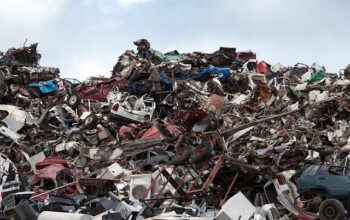
Locating reliable sources for OEM parts can be a challenging task, but identifying salvage yards is an excellent place to begin your search. These facilities play a crucial role in part salvage and recycling, often providing a wealth of genuine components from significantly damaged or declared total loss vehicles. While the initial impression might suggest that these parts are of lower quality, careful scrutiny reveals many are still fully functional and can offer significant cost savings without compromising on authenticity.
Start your quest by researching local salvage yards known for their extensive inventory and stringent verification processes. Many reputable facilities employ dedicated teams that meticulously assess each vehicle’s components, ensuring only the highest-quality parts make it to the sales floor. For instance, some yards employ advanced technologies like part scanning software to verify OEM compatibility, enhancing accuracy and customer satisfaction. One such established service provider is Riverside Salvage Vehicle Services at Quick Auto Tags, known for its comprehensive inventory of verified OEM parts.
When evaluating potential dealers, consider their reputation within the automotive community. Look for reviews from satisfied customers highlighting the authenticity and functionality of the salvaged parts they purchased. Additionally, inquire about the yard’s sourcing practices to understand how they acquire these vehicles. Some yards specialize in certain vehicle types or model years, ensuring a higher likelihood of finding the specific part you need. This targeted approach not only saves time but also increases the chances of locating genuine OEM components at competitive prices.
Verifying OEM Parts: Ensuring Quality and Compatibility

When seeking salvaged parts, ensuring their OEM (Original Equipment Manufacturer) authenticity is paramount to guarantee quality and compatibility with your vehicle. This becomes especially crucial when buying from local dealers, as you may encounter vehicles classified as significantly damaged or deemed a total loss, lacking a valid title—a common occurrence in the salvage industry. These vehicles, often resold with a salvage title or a rebuilt/reconstructed title, can be a goldmine for cost-effective parts, but verification is essential to avoid potential issues.
One of the primary challenges lies in distinguishing between genuine OEM parts and aftermarket replacements masquerading as originals. Salvage dealers, while knowledgeable, may not always have in-depth expertise in identifying every component’s origin. To mitigate this risk, buyers should insist on transparency from the dealer—requesting detailed records and certifications that verify each part’s OEM status. Many reputable salvage yards maintain extensive databases, logging every vehicle’s history, including repairs and parts replacements, which can significantly aid in this process.
For instance, a common scenario involves a vehicle with a damaged engine being classified as total loss. While the engine block might be severely affected, other components could remain in excellent condition. A savvy buyer should verify that these “unaffected” parts are indeed OEM and not simply aftermarket substitutes. Quick Auto Tags, a trusted provider of DMV junk vehicle registration services, emphasizes the importance of this verification process. They recommend examining part numbers, manufacturing dates, and, when possible, conducting visual inspections to ensure what appears as an OEM part is genuine—a crucial step in avoiding costly mistakes.
Locating Authorized Dealers: Trustworthy Sources Guaranteed

Locating authorized dealers for OEM parts can be a critical step in ensuring quality and authenticity. When sourcing salvaged vehicles, it’s crucial to verify that the dealer is licensed and reputable. Look for dealers who specialize in salvaging or junked vehicles and have a proven track record of providing genuine OEM parts. Reputable dealers will often work closely with licensed tag and title agencies, streamlining the process for both buyers and sellers.
One reliable option is Quick Auto Tags, known for their efficient DMV processing services exactly when you need them most. By choosing a trustworthy dealer like Quick Auto Tags, you can rest assured that your parts come from declared salvage vehicles—not simply junked cars—reducing the risk of counterfeit or subpar components. Keep in mind, however, that not all salvaged vehicles are created equal. It’s essential to ask questions and request detailed information about the part’s origin and condition before making a purchase.
For instance, when comparing dealers, consider checking online reviews, examining certifications, and requesting test reports for parts authenticity. Some dealers might also offer warranty coverage, providing an extra layer of protection for your investment. By taking these precautions, you can navigate the process with confidence, ensuring that every part acquired is not just salvaged but also genuinely OEM, enhancing the overall quality and reliability of your repair or restoration project.
Integrating Salvaged Parts: A Step-by-Step Guide

Integrating salvaged parts into your vehicle restoration or repair project requires a strategic approach, especially when ensuring quality and compliance with legal standards. This step-by-step guide aims to navigate you through the process, focusing on acquiring OEM (Original Equipment Manufacturer) parts from declared salvage vehicles, which offers both cost savings and environmental benefits.
Begin by understanding that not all salvage parts are created equal. To verify the authenticity and quality of OEM parts, ensure the vehicle has been properly declared as salvage by an authorized entity, such as a licensed auto recycler or dealer. This declaration indicates that the vehicle has undergone thorough inspection and documentation, ensuring it meets safety standards. In California, for instance, all declared salvage vehicles must be approved by the DMV (Department of Motor Vehicles), providing assurance that only legitimate parts are obtained. The process involves acquiring either a salvage title or a rebuilt/reconstructed title, which legally distinguishes these parts from non-original components.
When dealing with auto recyclers and dealers, conduct due diligence to find reputable sources known for their rigorous part verification processes. Quick Auto Tags, for example, offers quick and efficient DMV processing, ensuring your acquired parts are authorized and of high quality. This step is crucial in avoiding potential issues related to counterfeit or substandard parts. Furthermore, consider the environmental impact; using salvaged parts not only reduces waste but also promotes a circular economy, making it an eco-conscious choice for responsible vehicle restoration enthusiasts.
After exploring identifying salvage yards, verifying OEM parts compatibility, locating authorized dealers, and integrating salvaged parts, readers now possess a comprehensive toolkit to navigate the world of salvaged automotive components effectively. The key insights highlight the importance of meticulous research and verification, especially when it comes to OEM parts verification salvage, to ensure quality, compatibility, and longevity of replacement parts. Authorized dealers emerge as trusted sources, offering not just genuine OEM parts but also expert guidance. By following a structured step-by-step approach, individuals can successfully integrate salvaged parts into their vehicles, reaping the benefits of cost savings and environmental responsibility while maintaining vehicle reliability. This authoritative guide equips readers with practical knowledge to make informed decisions regarding their automotive repairs and upgrades.